
The Ultimate Guide to Brazilian Food: 27 Iconic Must-Try Foods
If you’re learning Portuguese, planning a trip to Brazil, or simply curious about Brazilian food, this guide was made for you.
Here you’ll find 27 iconic Brazilian dishes and drinks that will help you understand the country beyond textbooks and stereotypes.
These are the foods you’ll see in bakeries, street markets, family lunches, beach kiosks, and weekend gatherings — the flavors that Brazilians grow up with.
Think of this guide as your food compass in Brazil. Use it to explore, to order with confidence, and to enjoy every bite — because learning about Brazil should always be this tasty.
1 - Açaí
Açaí is a dark purple fruit that grows on the açaí palm tree, native to the Amazon region. The pulp has a creamy texture and an earthy flavor, naturally slightly bitter and not very sweet.
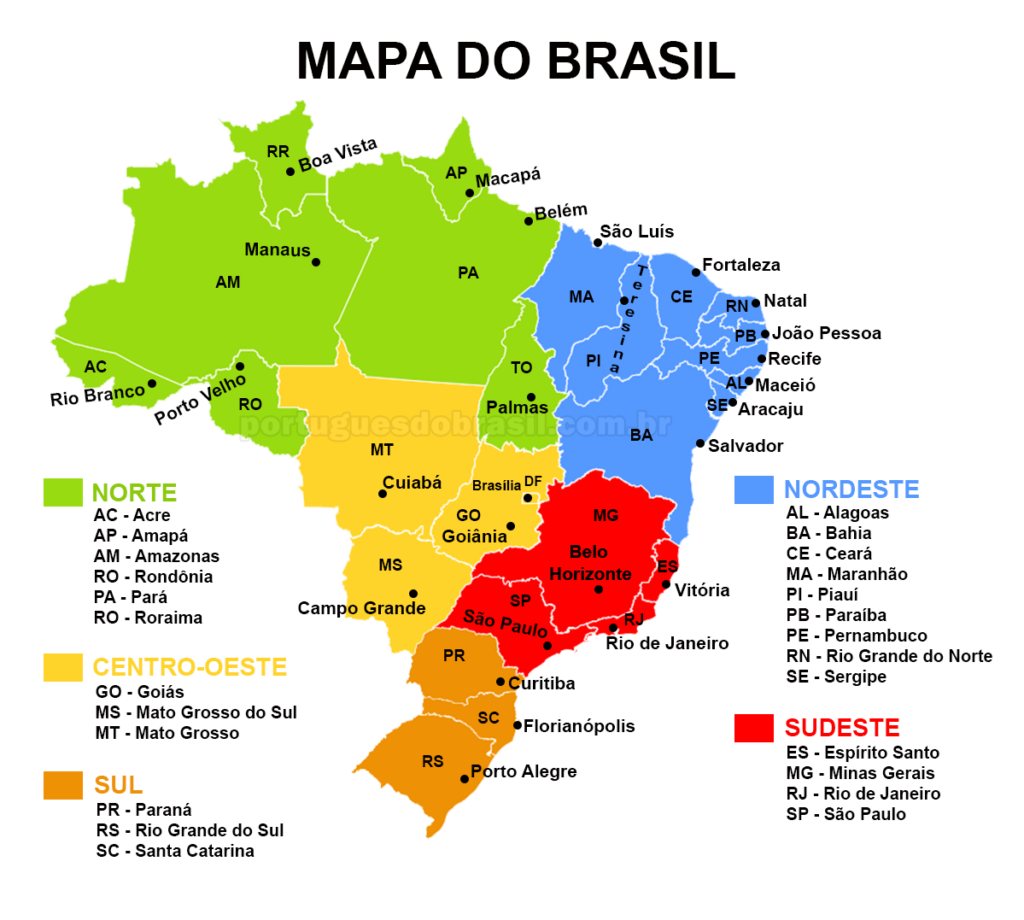
In the state of Pará, where it is part of the daily diet, the pulp is eaten unsweetened, usually served with fish and cassava flour.
In Brazil’s Southeast, it is commonly eaten as a frozen dessert, blended with other ingredients such as banana, granola, and honey.
In Northern Brazil, açaí is not a “fitness trend” — it is tradition and sustenance. It has been part of the Amazon region’s food identity for centuries. In the rest of the country, however, it became popular as an energy-boosting snack associated with gyms, the beach, and a healthy lifestyle.
In this video, you see how Indigenous peoples produce and drink açaí.
Where to find it: Some snack bars, supermarkets, and mall kiosks. No Pará, açaí is sold on almost every corner!
2 - Acarajé
Acarajé is one of the signature dishes of the state of Bahia, an icon of Afro-Brazilian culture. Acarajé is food, history, and identity all in one dish.
Acarajé is a small fritter made from black-eyed pea dough. It is fried in palm oil (dendê) until crispy on the outside and soft on the inside. Then it is stuffed with vatapá, caruru, and dried shrimp. This combination creates a unique, aromatic, and distinctive flavor.
Acarajé has its origins in African cuisine and is deeply connected to the traditions of Candomblé, an African-based religion in Brazil. It is traditionally sold by women known as baianas do acarajé, dressed in typical white clothing, especially on the streets of Salvador.
Where to find it: Easily found in Bahia (mainly in Salvador) and in Bahian restaurants in several Brazilian capitals.
3 - Beijinho
Beijinho (literally, “little kiss”) is a sweet made with condensed milk and shredded coconut, sprinkled with granulated sugar and decorated with a clove.
However, the most delicious version is the one sprinkled with shredded coconut.
This treat is simple, inexpensive, and a must-have at children’s parties, along with brigadeiro.
It is very creamy, soft, and quite sweet, with a distinctive coconut flavor. The clove is not always eaten, but it adds a characteristic aromatic touch.
Where to find it: Bakeries, grocery stores, some snack bars, cafés, supermarkets (usually sold in cans), and pastry shops.
4 - Biscoito de Polvilho
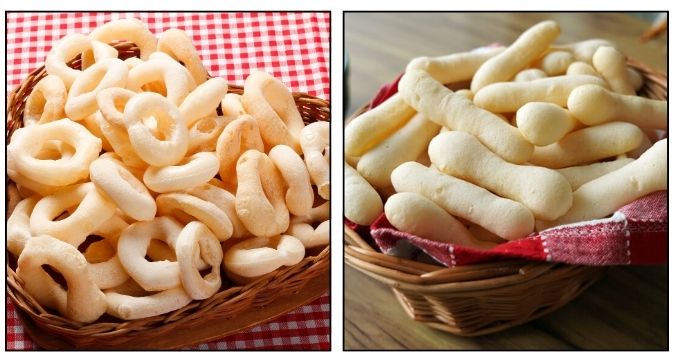
Biscoito de polvilho is a typical Brazilian snack made from polvilho (a byproduct of cassava), eggs, oil, and salt. It can be baked or fried and has a light, crunchy texture that melts in your mouth. It is famous for its elongated shape and characteristic crunchy sound. The snack can be shaped as a stick or a ring.
Besides the original flavor (salted), there are also cheese, sweet, onion and sour cream, bacon, and barbecue flavors.
Fun fact: in some Brazilian states, biscoito de polvilho is also known as a “peta”.
Where to find it: supermarkets and bakeries. In Rio de Janeiro, it is common to find this snack sold on the beaches. The most famous brand is Globo.
5 - Brigadeiro
Brigadeiro is a sweet made with chocolate, condensed milk, butter, and coated with chocolate sprinkles. It is the most beloved sweet in Brazil.
It is very sweet, creamy, and intensely chocolate-flavored. The texture is soft and almost melts in your mouth.
Brigadeiro is a must-have at birthday parties, especially children’s parties. In Brazil, it is practically impossible to imagine a celebration without brigadeiros on the table. They also appear at weddings, graduation parties, and even as an everyday dessert.
More than just a sweet, brigadeiro is a shared nostalgic memory. Many Brazilians associate its flavor with childhood, family, and celebrations.
Where to find it: bakeries, supermarkets (usually sold in cans), cafés, some snackbars, and pastry shops.
6 - Caipirinha
Brigadeiro is a sweet made with chocolate, condensed milk, butter, and coated with chocolate sprinkles. It is the most beloved sweet in Brazil.
It is very sweet, creamy, and intensely chocolate-flavored. The texture is soft and almost melts in your mouth.
Brigadeiro is a must-have at birthday parties, especially children’s parties. In Brazil, it is practically impossible to imagine a celebration without brigadeiros on the table. They also appear at weddings, graduation parties, and even as an everyday dessert.
More than just a sweet, brigadeiro is a shared nostalgic memory. Many Brazilians associate its flavor with childhood, family, and celebrations.
Where to find it: bakeries, supermarkets (usually sold in cans), cafés, some snackbars, and pastry shops.
7 - Caldo de Cana
Caldo de cana is a natural juice made by crushing sugarcane in a special machine. The cane is passed between metal rollers that squeeze the stalk and extract the liquid — a sweet, fresh, and slightly frothy juice.
This drink is very traditional in Brazil and is usually served chilled, often with a piece of lime or ginger. Caldo de cana is the classic companion to pastel (see below).
Where to find it: Feiras livres (street markets).
8 - Churrasco
Churrasco is a traditional Brazilian meal made with meats roasted on a barbecue grill, usually using charcoal.
The meats (picanha, sausage, chicken, ribs, etc.) are placed on skewers or grilled directly on the griddle or grill, acquiring that characteristic smoky flavor. Churrasco is almost always served with farofa and vinagrete (see below).
It is very common at family gatherings, weekend parties, birthdays, and celebrations in general. For Brazilians, churrasco is more than just food — it is a social event, a time to gather friends, chat, drink, and spend hours eating slowly.
Churrasco is especially prominent in the culture of Rio Grande do Sul, featuring unique traditions like slowly roasting large cuts of meat on long skewers driven into the ground.
Where to find it: churrascarias (steak houses) and some restaurants.
9 - Cocada
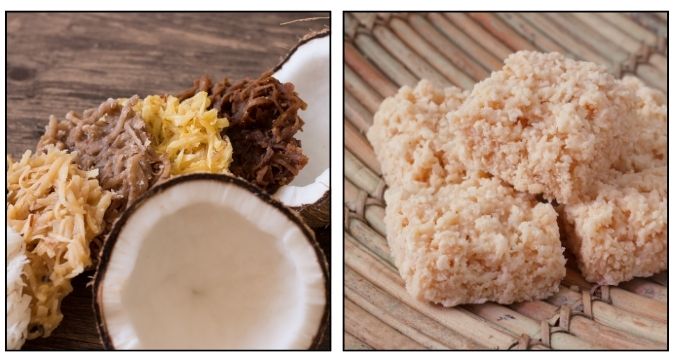
Cocada is a sweet made with shredded coconut and sugar. The texture can vary: some cocadas are soft and moist, while others are firmer, almost like a crunchy candy.
There are several versions: white cocada (most common), black cocada (made with burnt sugar or rapadura), baked cocada (creamier), and condensed milk cocada (very sweet and soft).
It is a sweet that represents Brazilian cuisine well, as it uses coconut, an ingredient very common in the North and Northeast regions.
Where to find it: Sweet shops, some grocery stores, bakeries, and supermarkets.
10 - Coxinha
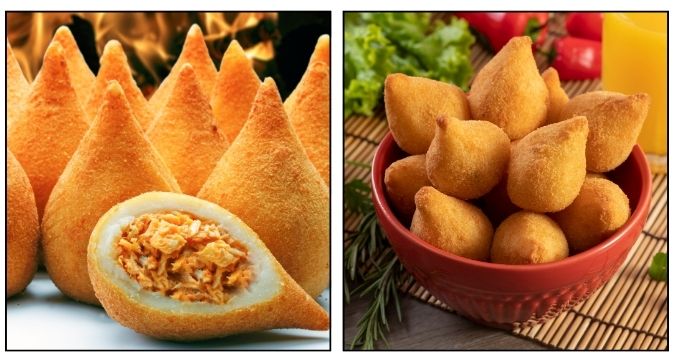
Coxinha is a savory snack made with dough prepared from wheat flour mixed with chicken broth, shaped to resemble a small chicken drumstick (which is where the name comes from). Inside, it is filled with well-seasoned shredded chicken. After being shaped, it is breaded and deep-fried, becoming golden and crispy on the outside and soft on the inside.
Did you know? The word Coxinha literally means “little thigh.” It’s shaped like a chicken drumstick, with a creamy chicken filling wrapped in a golden, crispy dough. It’s the ultimate Brazilian comfort food!
It is the most popular and beloved savory snack among Brazilians from all regions. Culturally, it represents the kind of practical, tasty, and affordable food that is part of everyday life. It is a true classic of the Brazilian “quick snack.”
Where to find it: bakeries, snack bars, supermarkets (frozen), and cafés.
11 - Cuscuz Nordestino
Cuscuz nordestino (Northeastern Brazilian couscous) is a dish made from corn flakes that are moistened and steamed in a special pot called a cuscuzeira. The result is a fluffy, light, and very versatile dish that can be served with butter, queijo coalho, carne de sol, and sausages. It can also appear in sweet versions, with condensed milk and shredded coconut.
Because it is easy to prepare, nutritious, and pairs well with many side dishes, cuscuz is commonly eaten for breakfast, lunch, and dinner, and is part of everyday life for families in Brazil’s Northeast. This versatility has made the dish a true “wild card” of the regional table — and the most traditional breakfast food in the Northeast.
Where to find it: Cuscuz can be found in Northeastern restaurants all over Brazil, as well as in markets and street fairs, where it may be sold ready to eat.
The flaked cornmeal used to prepare cuscuz at home is available in supermarkets across the country, and its growing popularity has led many cafés and snack bars in large cities to include it on their menus.
12 - Empada
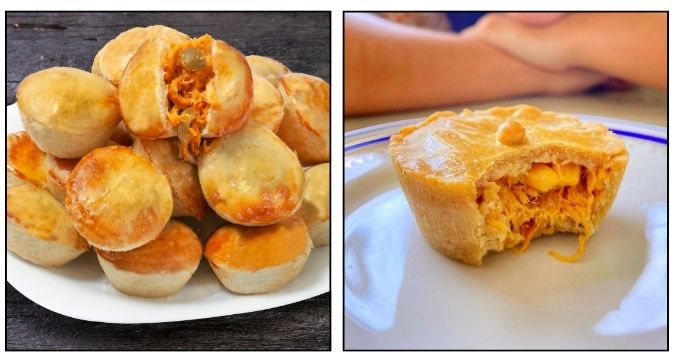
Empada is a small savory pastry made with a soft, slightly crumbly dough that melts in your mouth. The filling is added before baking, creating a delicious contrast between the delicate outer crust and the creamy, flavorful filling inside.
Golden on the outside and rich on the inside, empadas are known for being satisfying without being heavy, making them a popular choice for a quick snack or light meal. They are typically baked in small round molds, which gives them their characteristic individual pie shape.
The most traditional fillings include shredded chicken with requeijão (Brazilian cream cheese), hearts of palm, shrimp, cheese, and codfish. Regional variations are common, and bakeries often offer their own specialty flavors.
Empadas are part of Brazil’s strong bakery and snack culture and are often enjoyed with coffee or juice during the afternoon.
Where to find it: Bakeries, snack bars and cafés.
13 - Estrogonofe
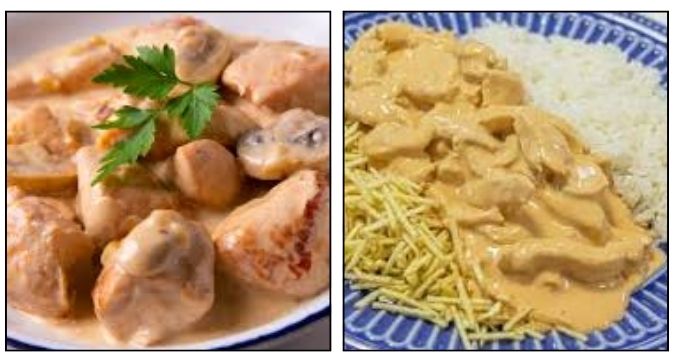
Brazilian strogonoff is believed to be a tropical adaptation of the original Russian dish.
In Brazil, it is made with chicken or beef pieces sautéed with onion, garlic, ketchup, brandy, and mushrooms, then finished with cream, which gives the sauce a creamy, mild, and slightly sweet flavor.
Unlike other versions around the world, Brazilian strogonoff is always served with white rice and batata palha (thin crispy potato sticks) — a combination that has become the dish’s trademark in the country. The crunchy texture of the potatoes mixed with the creamy sauce is one of the main reasons for its popularity.
It is an easy and quick dish to prepare, perfect for everyday meals. The batata palha adds a crunchy touch that has become a true “signature” of the dish in Brazil.
Where to find it: restaurants, self-service buffets, and supermarkets (frozen versions).
14 - Farofa
Farofa is one of the most beloved and versatile side dishes in Brazilian cuisine. It is mainly made with toasted cassava flour. Once you have cassava flour, adding almost any ingredient can turn it into farofa — the combinations are practically endless. Some of the most popular additions include:
- Bacon
- Olive oil
- Sautéed onions and garlic
- Eggs
- Calabresa sausage
Each combination creates a different experience: some farofas are more moist and buttery, while others are drier and crunchier.
Don’t be surprised! Many Brazilians sprinkle farofa over their food, mixing it with beans or meat sauces to add texture and enhance the flavor of every bite.
Simple, affordable, and extremely adaptable, farofa is a symbol of the creativity of Brazilian home cooking. It shows how a basic ingredient can be transformed into something full of personality, aroma, and flavor.
Where to find it: supermarkets, butcher shops, restaurants, and self-service buffets, steakhouses.
15 - Feijoada
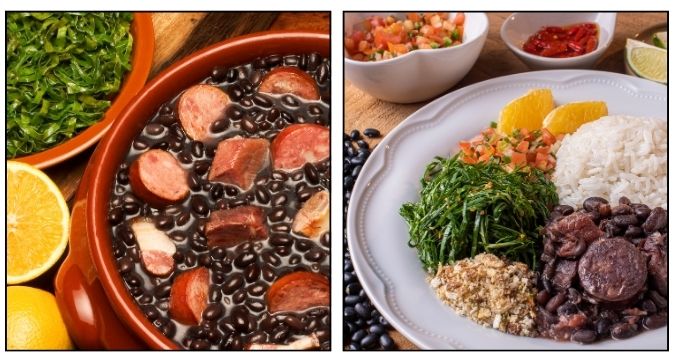
Feijoada is one of Brazil’s most traditional and iconic dishes. Inspired by a Portuguese stew, it is made with black beans and a variety of pork cuts — such as ribs, feet, ears, paio sausage, linguiça, and dried beef — all slowly cooked until everything becomes tender, flavorful, and well blended.
It is usually served with white rice, farofa, sautéed collard greens, sliced oranges, and crispy pork cracklings, creating a balanced mix of flavors and textures.
Feijoada is a dish that takes time to prepare: everything is cooked slowly, so it is not typically part of everyday meals. Instead, it is a celebratory food, strongly associated with social gatherings and shared meals.
Not surprisingly, it often appears on Saturday lunches in bars and restaurants across Brazil. Over time, it has gained a festive atmosphere: when people talk about a “feijoada day,” they imagine a generous table, friends and family gathered, music playing, and that relaxed weekend vibe.
Where to find it: restaurants, self-service buffets, and steakhouses.
16 - Guaraná
Guaraná is the fruit of a plant native to the Amazon region. Small and reddish when ripe, the fruit opens to reveal a dark seed partly covered by a white layer, resembling an “eye.” Naturally, it is rich in caffeine and other stimulants.
The most popular way to consume it in Brazil is as guaraná soda — carbonated, sweet, and extremely refreshing. The flavor is fruity, slightly herbal, and unlike any other soft drink.
Served ice-cold, with fizzy bubbles and a balanced sweetness, guaraná is the perfect drink to accompany a meal or quench your thirst on hot days. It is part of both everyday life and leisure moments in Brazil.
Besides soda, guaraná is also available as guaraná syrup. It can be mixed with water, juices, or smoothies and is a great option to take back to your home country, since it’s easier to carry than bottles of soda.
Many foreigners are surprised to discover that guaraná doesn’t taste like cola, lemon, or orange — it has a unique flavor that’s hard to compare, which is exactly what makes it so distinctive.
Where to find it: Anywhere that sells beverages in Brazil: supermarkets, snack bars, grocery stores, restaurants, convenience stores…
17 - Moqueca
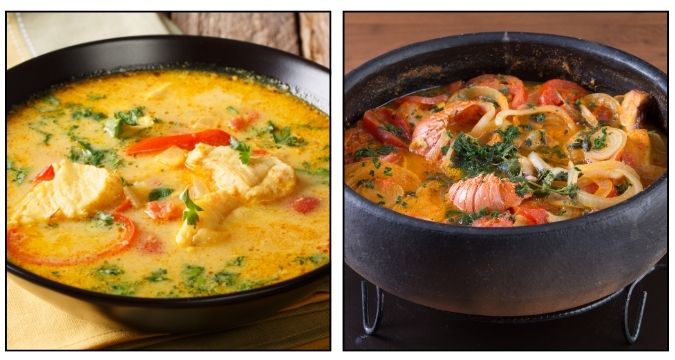
A stew made with fish or seafood cooked יחד with tomatoes, onions, bell peppers, cilantro, coconut milk, and seasonings. The dish cooks in the natural juices of the ingredients, creating a rich, aromatic, colorful broth full of flavor.
It is usually served with white rice, pirão (a thick sauce made with fish broth and cassava flour), and farofa, forming a classic combination on the Brazilian table.
There are two traditional and very famous versions in Brazil. Moqueca baiana includes dendê (palm) oil, coconut milk, and chili pepper, resulting in a dish with bold flavor, intense aroma, and vibrant color. Moqueca capixaba, on the other hand, is prepared with annatto for color and cooked in the traditional clay pot from Espírito Santo.
This version is milder and allows the flavor of the fish to stand out. It is so important to local culture that it is considered a true culinary heritage of the state.
Beyond these, there are also popular variations such as shrimp moqueca and plantain moqueca, the latter especially appreciated by vegetarians and vegans.
Where to find it: Coastal restaurants (especially in the Northeast), and some self-service buffets
18 - Paçoca
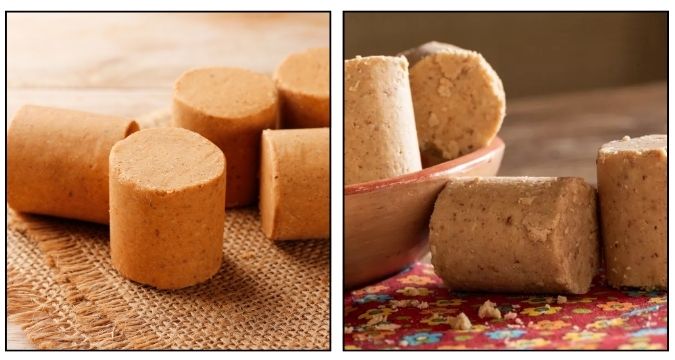
Paçoca is a traditional Brazilian sweet made from roasted peanuts, sugar, and salt, ground together until they form a dry, soft, crumbly texture that melts in your mouth. It is usually shaped into small cylinders or little squares.
Peanuts — which are native to Brazil — have always been very popular in the country, and paçoca became one of the most traditional ways to enjoy them. Its crumbly texture and sweet, slightly salty flavor make it a unique and much-loved treat.
Paçoca is also a symbol of Brazil’s Festas Juninas (June festivals), alongside popcorn, canjica, and pé de moleque. However, its popularity goes far beyond that season: it can be found all over Brazil, all year round.
Where to find it: Supermarkets, bakeries, grocery stores, and candy shops.
19 - Pão Francês
Pão francês is the most widely consumed bread in Brazil and a true symbol of the Brazilian breakfast. Made with wheat flour, water, and salt, it is small, golden, and crispy on the outside, with a light, soft white interior. Bakeries bake this bread fresh every day, and many Brazilians make a point of buying it warm, straight from the oven.
Extremely versatile, it can be served with butter, cheese, ham, scrambled eggs, or used to make different kinds of sandwiches throughout the day.
In various regions of the country, it goes by different names — such as pão de sal, cacetinho, or pão careca — but its popularity is the same everywhere. It is also the bread used to make the classic pão na chapa (grilled buttered bread), very common in cafés and bakeries. It is a staple of daily life across Brazil.
Where to find it: bakeries, supermarkets, and grocery stores.
20 - Pão de Queijo
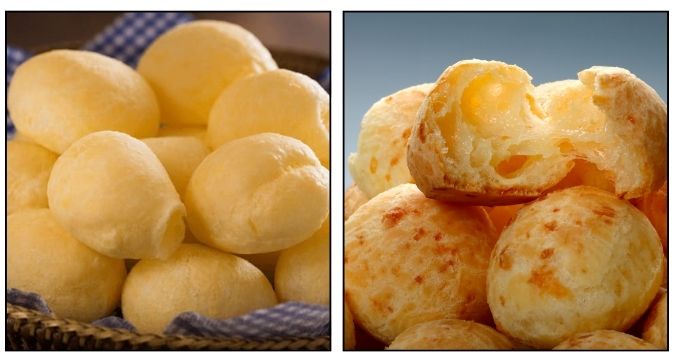
Pão de Queijo is one of the greatest classics of Brazilian cuisine. Small, round, and lightly golden, it has a thin crust on the outside and a soft, chewy, and very moist interior. Its distinctive flavor comes from the cheese — typically meia cura — mixed into the dough.
It is naturally gluten-free, as it is made with cassava starch (both sour and sweet), cheese, eggs, and oil. It can be served at breakfast, as an afternoon snack, or as a side at any time of the day. And when it’s warm, fresh out of the oven, it’s simply irresistible.
It is one of Brazil’s most beloved flavors and tends to win over just about every foreign visitor.
A good pão de queijo should be slightly firm on the outside and soft on the inside, with a clear, rich cheese flavor in every bite. In Brazil, bakery-made pão de queijo is usually better than packaged versions — fresher, cheesier, and straight from the oven. Just a friendly tip!
Where to find it: Snack bars, cafés, bakeries, and supermarkets (freshly made or frozen).
21 - Pastel de Feira
Pastel de feira is a very popular street food in São Paulo. It consists of thin, crispy dough that is fried on the spot and can be filled with a wide variety of ingredients. The most classic fillings are ground beef, cheese, chicken with requeijão, and pizza-style, but there are sweet versions as well.
It is famous for being large, generously filled, and extremely crunchy. The traditional drink that goes with pastel is cold caldo de cana (fresh sugarcane juice) — a combination many people consider perfect.
Pastel is a quick, affordable, and satisfying snack, always served hot and fresh. For many foreigners, it is one of the first Brazilian street foods they try.
Where to find it: Street markets (especially in São Paulo) and some snack bars.
22 - Pudim de Leite
This is one of the most traditional and beloved desserts in Brazil — and, for many people, simply irresistible. Made with a basic mixture of sweetened condensed milk, milk, and eggs, it is baked in a water bath over a layer of caramelized sugar syrup. The result is a creamy, glossy, and delicate dessert, with a smooth texture and just the right amount of sweetness.
Pudim de Leite is so popular that almost every Brazilian recognizes its flavor at the very first spoonful. Because it’s very simple to prepare, it has become the most common homemade dessert in Brazil, regularly appearing at Sunday lunches, birthday parties, family gatherings, and on the menus of many restaurants.
Where to find it: Bakeries, some snack bars, and pastry shops.
23 - Queijo Coalho
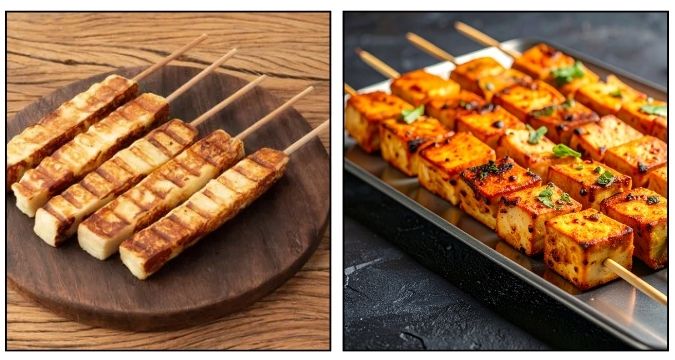
Queijo coalho is one of the most classic and beloved beach snacks in Northeastern Brazil.
It is made with sticks of queijo coalho — a firm, slightly salty cheese that does not melt easily — skewered on a wooden stick. These cheese sticks are grilled over charcoal or on a hot griddle until they develop a golden crust on the outside, while the inside becomes soft and slightly creamy, releasing that irresistible aroma of freshly toasted cheese.
In many versions, the skewer is finished with a sprinkle of oregano, which enhances the flavor even more.
Because it is simple, quick to prepare, and extremely tasty, queijo coalho works perfectly as a snack, appetizer, or barbecue side dish. It’s the kind of food that appeals to almost everyone.
Beyond its flavor, it is also part of the cultural beach experience in the Northeast: it’s common to see vendors walking along the sand while carrying small portable grills.
Where to find it: Brazilian beaches (especially in the Northeast), steakhouses, and supermarkets.
24 - Quibe
Quibe is a savory snack made with well-seasoned ground beef mixed with bulgur wheat, onion, garlic, mint, and spices. The mixture is shaped into an elongated oval and deep-fried in hot oil until golden brown.
Quibe originates from Arab cuisine and arrived in Brazil with Middle Eastern immigrants in the 20th century. In Brazil, it became fully incorporated into everyday life and developed its own variations and preparation styles.
On the outside, quibe is crispy and golden; on the inside, it’s soft, juicy, and very aromatic.
Quibe is a great example of how Brazilian cuisine absorbed influences from other cultures and transformed these dishes into part of its own culinary identity.
Where to find it: Bakeries, snack bars, restaurants, cafés, and supermarkets (frozen versions).
25 - Quindim
A dessert made primarily from egg yolks, grated coconut, sugar, and butter. Once baked, it forms a glossy dessert with a bright yellow top and a moist, tender coconut layer at the base. Its texture is firm on the outside and creamy on the inside, with a rich flavor of egg yolk and coconut — a combination that wins over many Brazilians.
Small, shiny, and visually striking, quindim is often served in individual portions, making it a common sight in bakeries and pastry shops. Its origins are linked to Portuguese convent sweets.
The contrast between its smooth top and the coconut base is part of what makes each bite so satisfying.
Despite its simple ingredients, quindim is known for its bold flavor and unmistakable identity, standing out among Brazilian desserts as something truly unique and memorable.
Where to find it: Bakeries, cafés, pastry shops, and some supermarkets.
26 - Sonho
Sonho (literally “dream”) is made from a soft, slightly sweet dough, similar to sweet bread. The dough is fried until golden, then filled with pastry cream (the most traditional filling), dulce de leche, or chocolate. Finally, it’s topped with a generous dusting of powdered sugar, giving it the classic sonho look.
It’s fluffy, light on the inside, and wonderfully aromatic, with that irresistible contrast between the soft dough, creamy filling, and sweet sugar coating. It’s one of the most beloved treats in Brazilian bakeries.
Simple, comforting, and familiar, sonho perfectly represents the cozy side of Brazilian bakery sweets.
Where to find it: Bakeries, pastry shops, supermarkets, and some cafés.
27 - Tapioca / Beiju
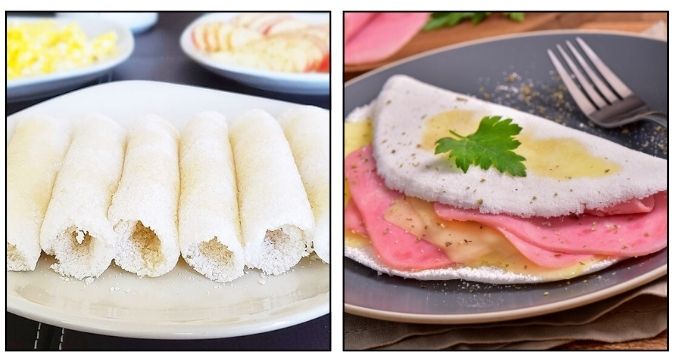
A type of pancake made from hydrated cassava starch that, when heated in a skillet, turns into a soft disk on the inside and slightly crispy on the outside.
It is naturally gluten-free and has a very mild, almost neutral flavor — most of the taste comes from the filling. Extremely versatile, it can be filled with butter, coconut with condensed milk, eggs, carne de sol (sun-dried beef), chicken, and more.
Tapioca is also valued for its nutritional qualities. Made from cassava, it is naturally gluten-free and easy to digest, making it a popular option for people with gluten intolerance.
Tapioca provides quick energy due to its carbohydrate content and is often chosen as a light meal or snack.
Tapioca vs. Beiju (cultural naming difference)
Technically, tapioca refers to the hydrated cassava starch while it is still raw, before going into the pan. Once prepared and turned into this small disk ready to be filled, the traditional name is beiju.
However, in Southeast Brazil, people use “tapioca” to refer to both the starch and the ready-to-eat beiju, and very few people know the word beiju.
Tapioca is very popular in São Paulo — there are even places called tapiocarias (tapioca shops)!
Where to find it: Feiras livres (street markets), snack bars, tapioca shops, and Northeastern Brazilian restaurants. Ready-to-use hydrated starch is also sold in supermarkets.